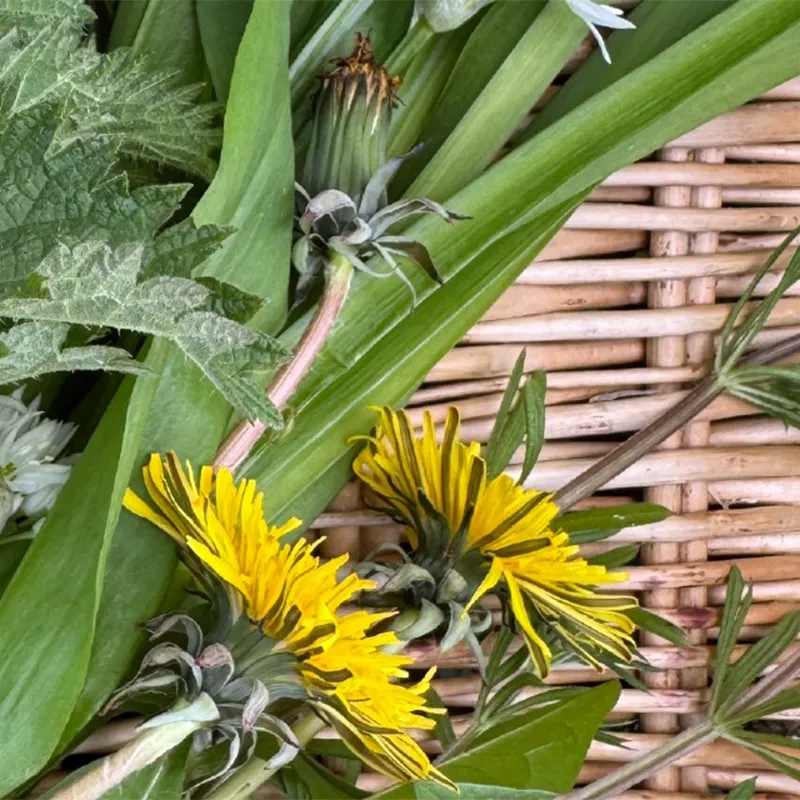
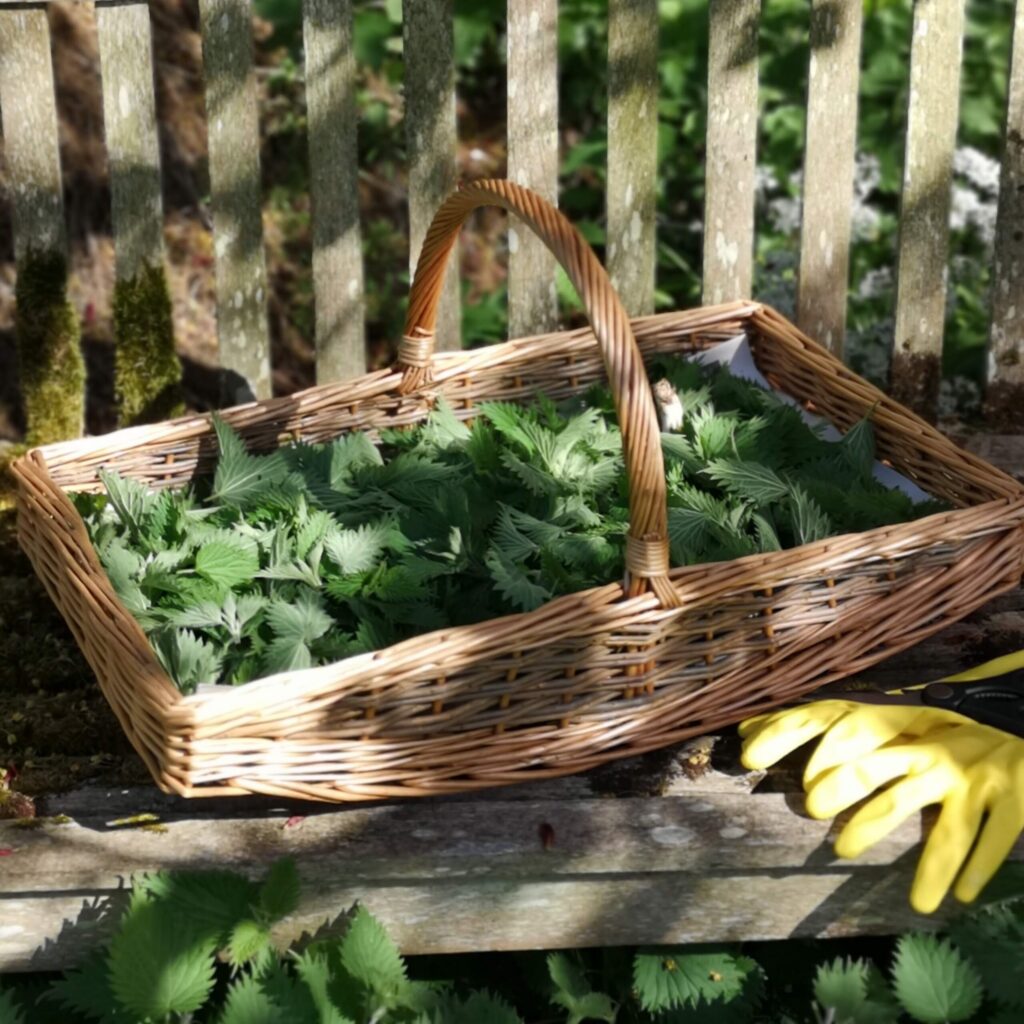
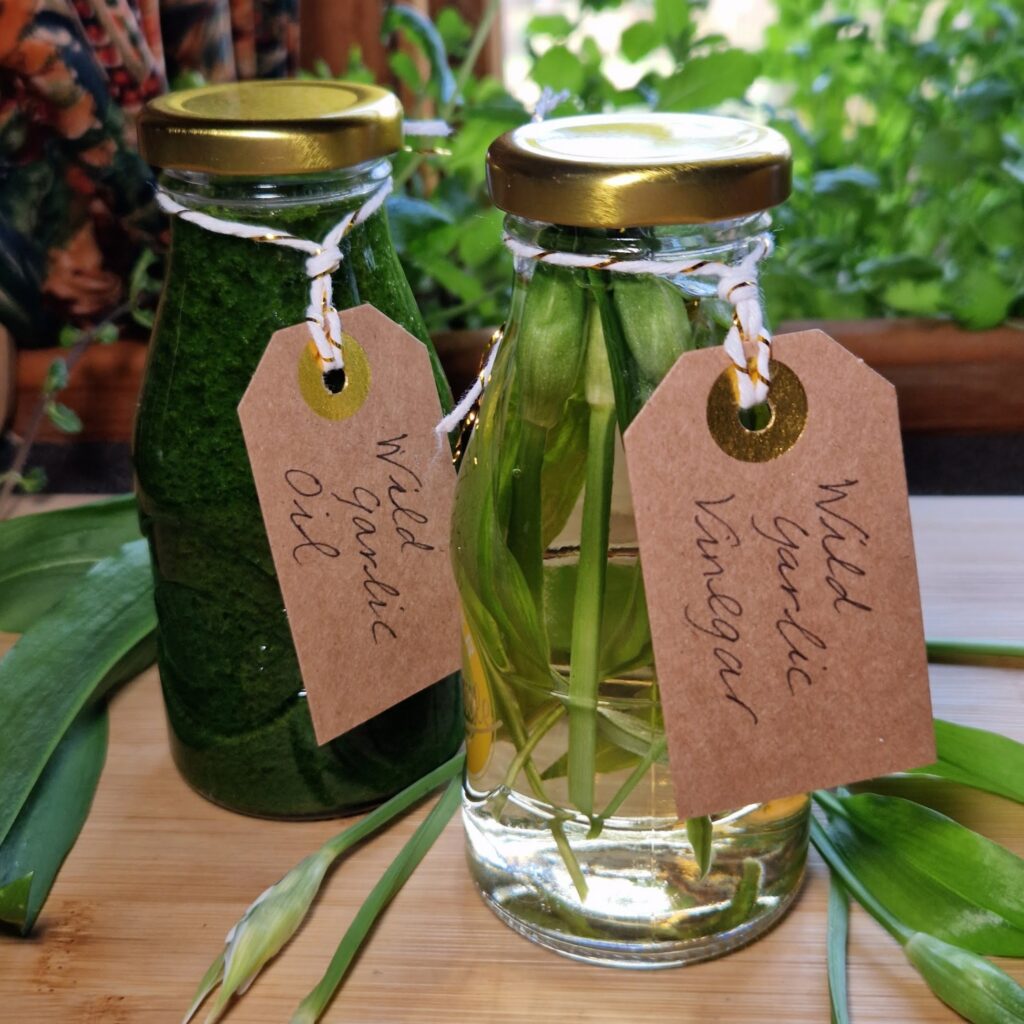
Summer foraging season is in full swing. At this time of year we focus on harvesting leaves and flowers for preserving, while they are at their best and before the plants start to put their energy into producing seeds and berries.
This is a quick guide to some common wild flowers and herbs that are in season during the summer months. All of these wild plants are abundant, easy to identify and have been used for generations, for food, herbal teas and traditional home remedies.
Whether you want to make elderflower cordial, decorate a salad with seasonal wild flowers, or gather wild rose petals or meadowsweet to dry for herbal teas, summer offers an abundance of seasonal flavours waiting to be discovered.
Watch out for these easily identifiable plants that are sure to grow somewhere near you, whether you live in a rural or urban location. I will add to the list and write in more detail about the individual varieties and their uses over the coming weeks.
ELDERFLOWER
Sambucus nigra
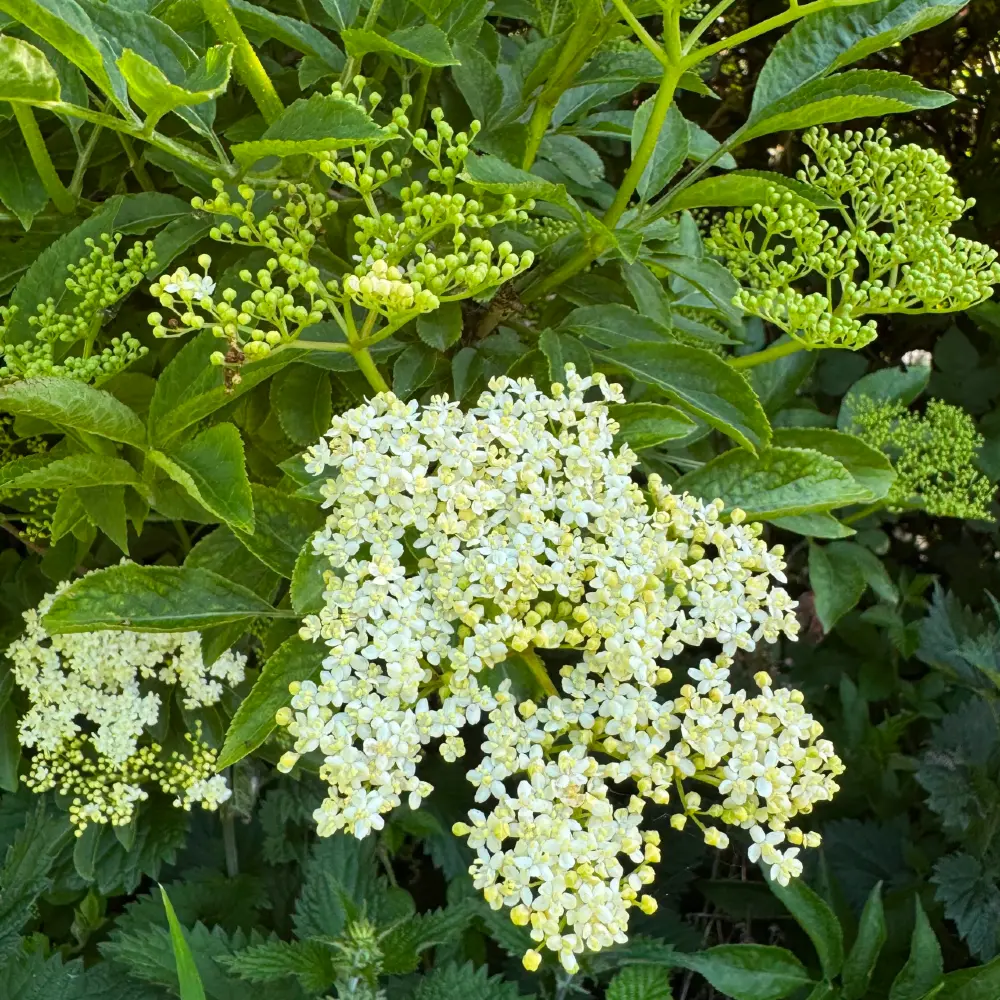
Elderflower is one of the most recognisable scents of early summer. The creamy white flower heads can be found growing along hedgerows, country lanes and woodland edges.
Traditionally, elderflower was used to help support the immune system and ease the symptoms of colds and fevers. It was often combined with mint and yarrow as a cure for summer colds.
The flowers are commonly used for making elderflower cordial, syrup, tea and champagne. They were traditionally used to make elderflower fritters, but are also great for flavouring desserts, especially ice creams and sorbets.
Always leave plenty of flowers on the tree for pollinators and also to allow the delicious elderberries to develop. They are important for birds, wildlife and the propagation of future elder trees, and they are one of my favourite autumn berries.
WILD ROSE
Rosa canina
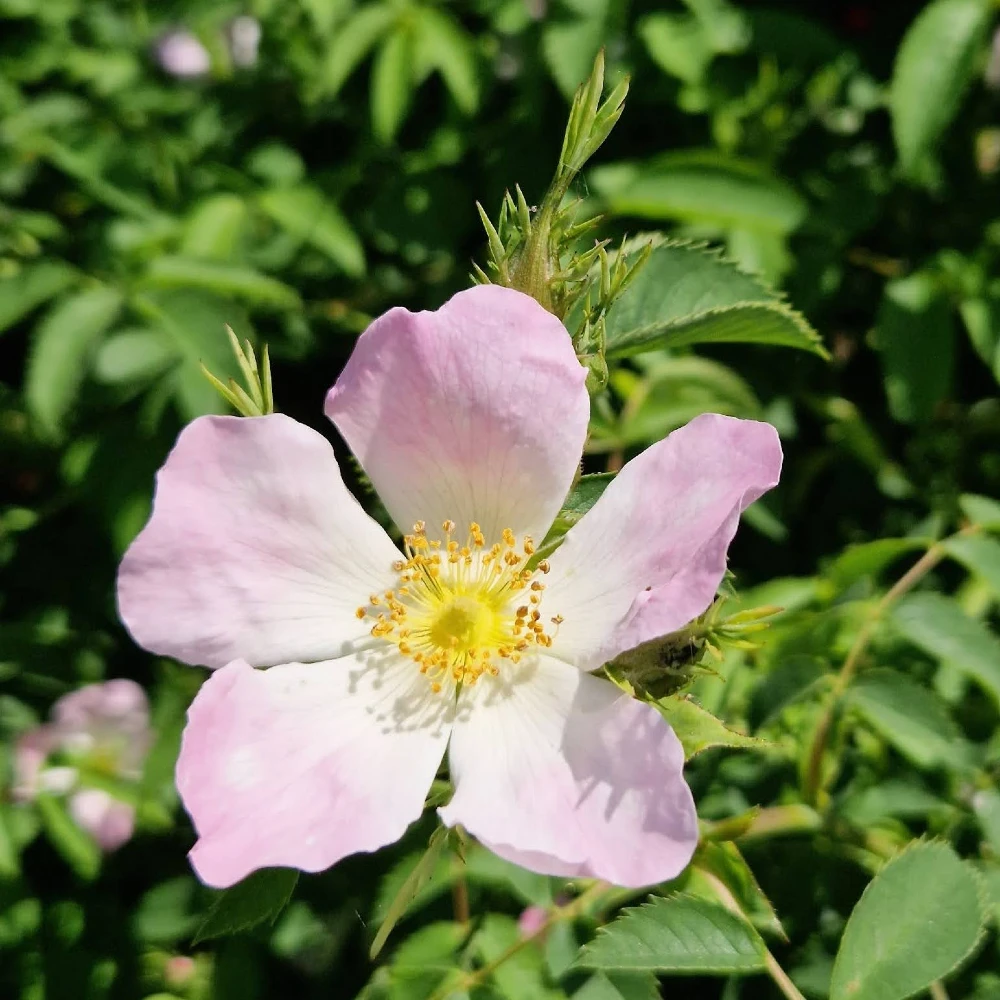
Wild roses scramble through hedgerows and woodland edges during summer, filling the air with their delicate fragrance.
The petals are edible and can be added to salads, desserts and herbal teas. They make an interesting jam and can also be infused in honey, vinegar or syrups.
Rose water and dried rose petals are extensively used in Middle Eastern cuisine and rose is the key flavouring in Turkish delight.
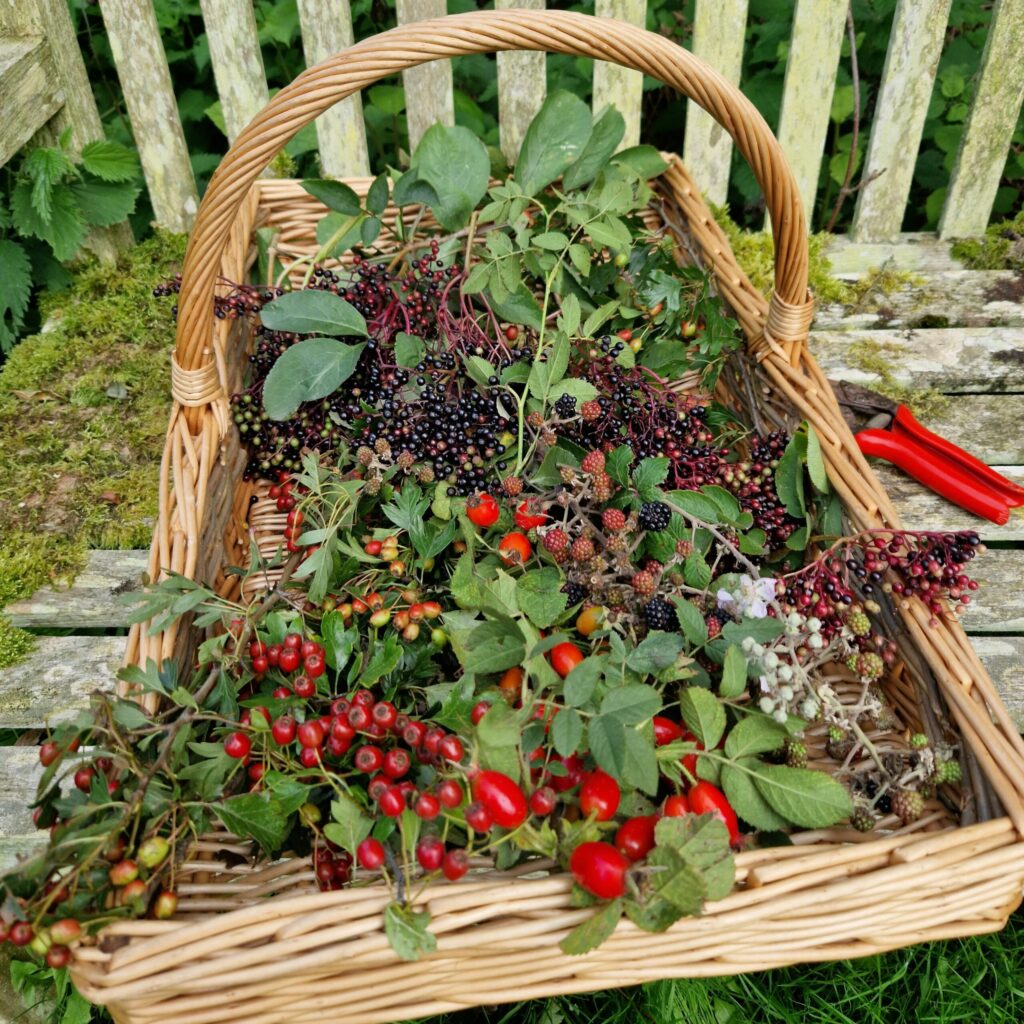
The flowers were traditionally used in skincare and later in the year, the rose hips are one of my favourite wild berries. They taste delicious, a little bit sweet and a little bit tangy and they provide an excellent source of vitamin C.
Anyone who has been on one of my medicinal herb workshops will also have heard my stories of using rosehip seed oil for its amazing healing powers.
HONEYSUCKLE
Lonicera periclymenum
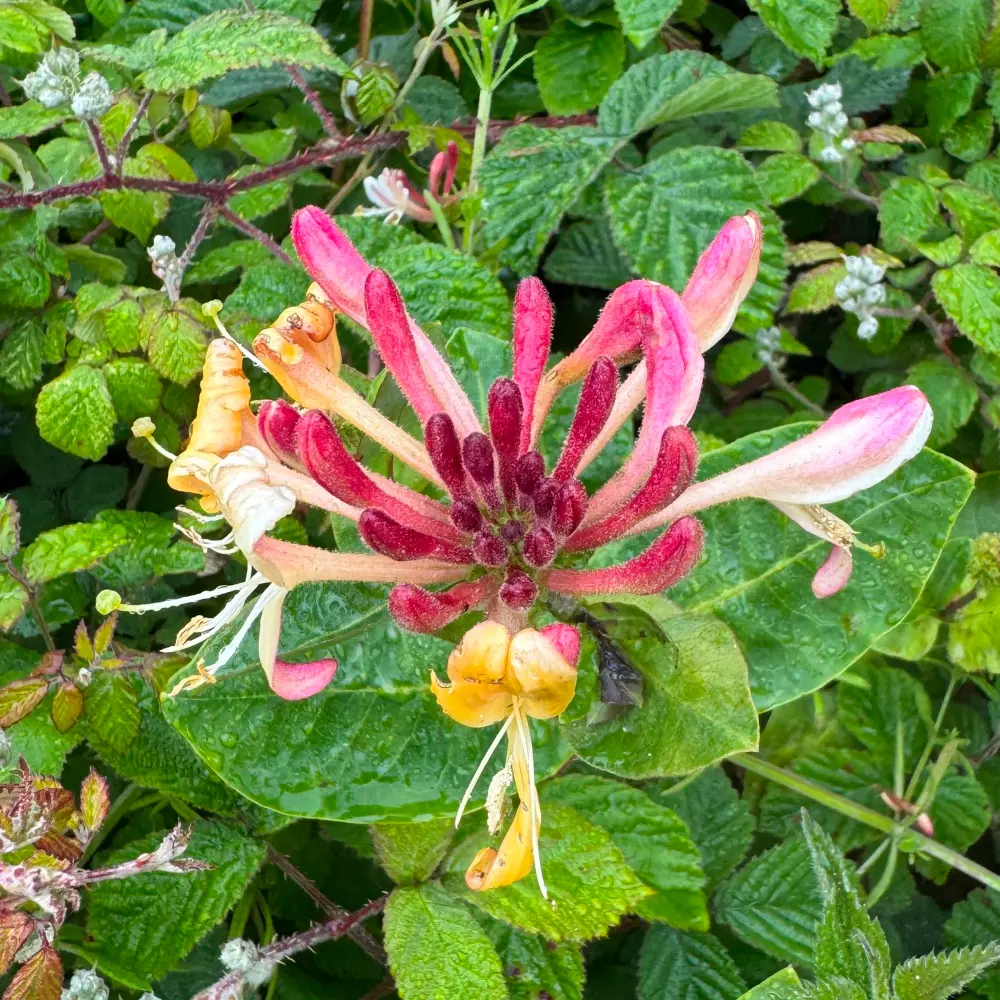
Native honeysuckle is also known as wild woodbine and it winds its way through hedgerows and woodland edges, producing beautifully scented flowers throughout the summer. Their sweet fragrance is especially noticeable on warm evenings.
The flowers can be infused to flavour syrups, teas, desserts and ice cream. Their sweet nectar is a favourite childhood taste for many people.
The flower was used to sooth irritated skin in traditional medicine. While the flower is edible the berry of most varieties of honeysuckle should not be consumed.
PLANTAIN
Plantago lanceolata
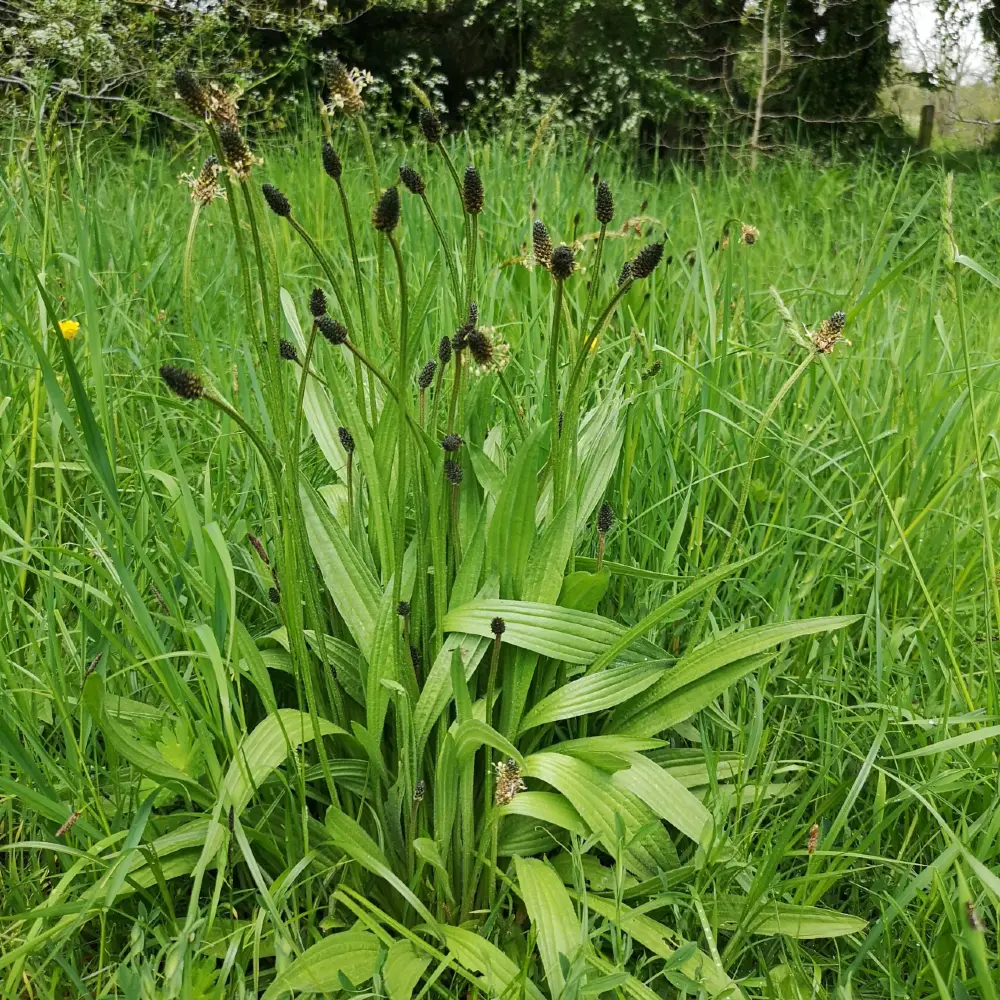
Plantain grows almost everywhere, from lawns and footpaths to meadows and roadside verges. It has long been valued as one of our most useful healing herbs.
It is astringent and can be used as a natural poultice and bandage to treat cuts and wounds. The leaves are also widely used to make infused oils and soothing skin balms. It is my number one herb for skin irritations and I have found it to be invaluable for insect bites and stings.
The young leaves can be added to salads or cooked like spinach but personally the taste is not for me!
CLOVER
Trifolium pratense
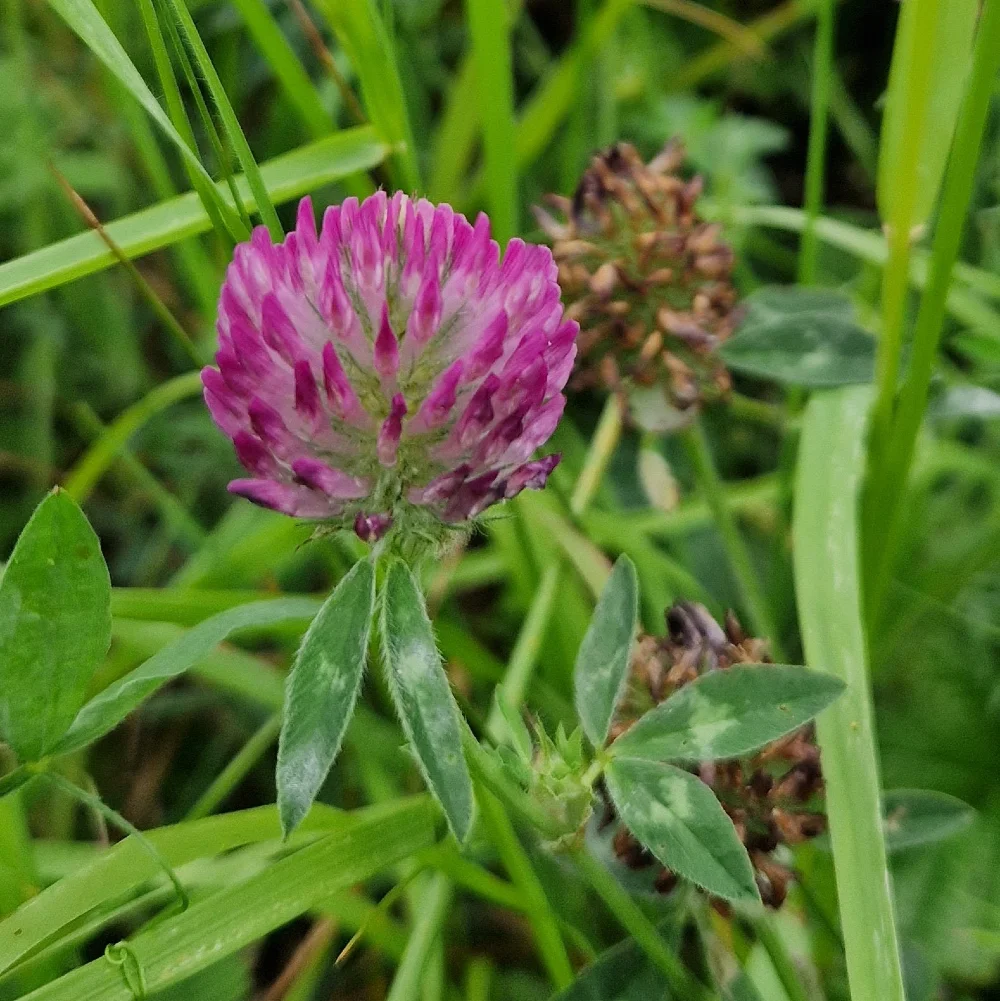
Red clover brightens up meadows and grassy places throughout the summer and provides an important source of nectar for bees.
The flowers have a mild, sweet flavour and can be added to salads, desserts, ice creams and sorbets. They can be preserved in vinegar and make a delicious syrup.
Clover contains plant phytoestrogens and is often used as a tea or added to supplements to manage menopause symptoms. It should be avoided by anyone using hormone based medications or suppressants.
DAISY
Bellis perennis
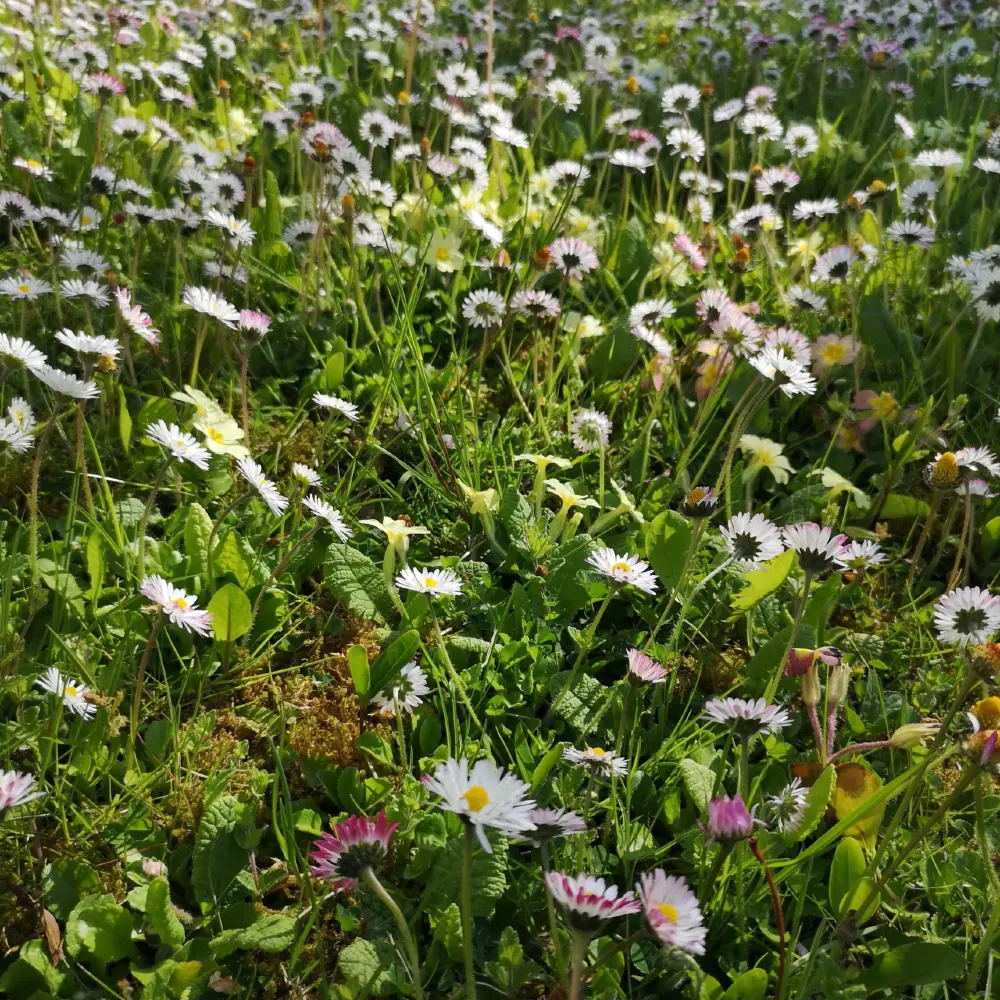
The humble daisy is one of our most familiar wild flowers, growing almost everywhere there is grass.
The flowers and young leaves are edible and make a colourful addition to salads. The unopened flower buds can be pickled and used in much the same way as capers. The flowers can be used to decorate cupcakes which is a fun activity for children.
Daisies seem to be historically associated with children. Whenever I have children on my foraging walks in summer, I ask them if they know how to make a daisy chain. So far, I haven’t met one child who could, so I showed them how!
Daisy is also a powerful healing herb and is Ireland’s equivalent to arnica. It can be used to make a soothing poultice, oil or balm that is excellent for treating bruises.
MEADOWSWEET
Filipendula ulmaria
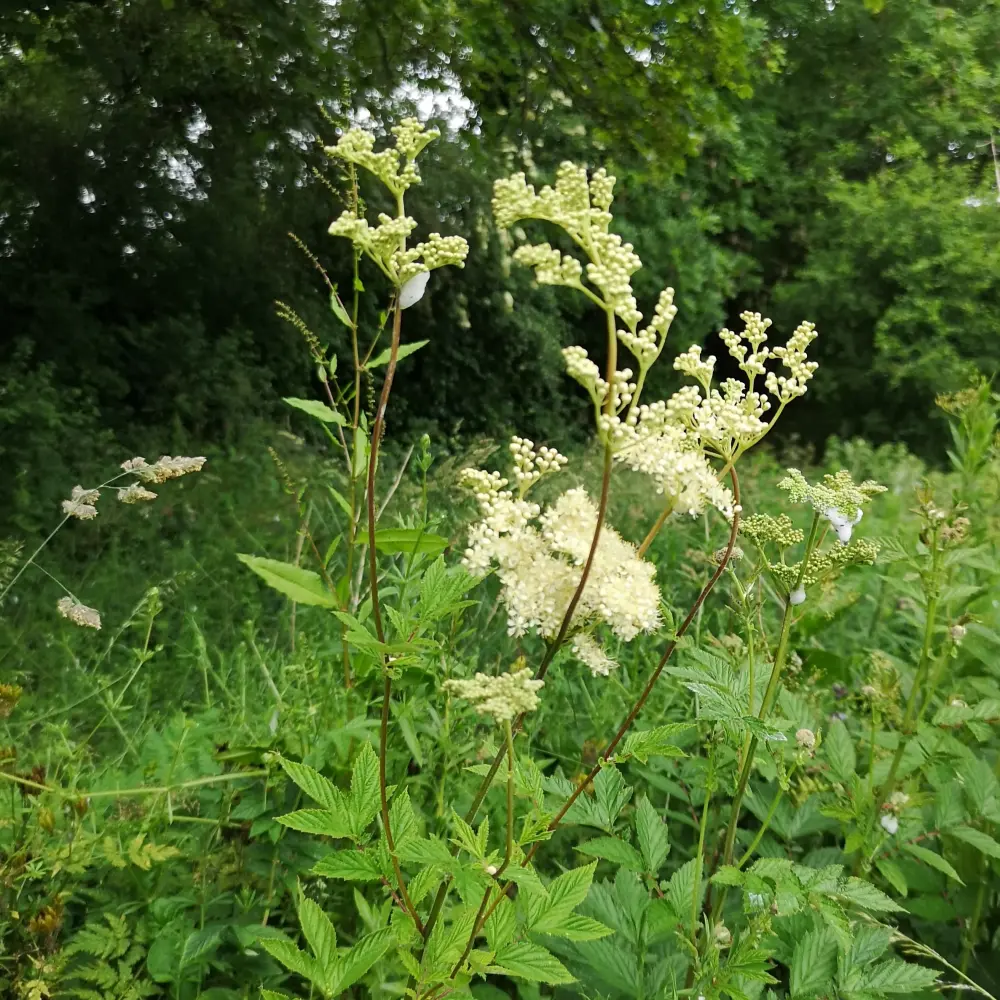
Meadowsweet fills damp meadows and riverbanks with its creamy flower heads and sweet honey like fragrance. Their wonderful aroma captures the very essence of an Irish summer.
Traditionally valued for its soothing properties, the flowers make a delicious herbal tea and can also be used to flavour syrups, desserts, creams and vinegars.
Meadowsweet contains salicylic acid, a natural form of aspirin. It acts as a mild painkiller and has anti-inflammatory properties. In recent years it has become a popular ingredient in skincare products.
BRAMBLE
Rubus fruticosus
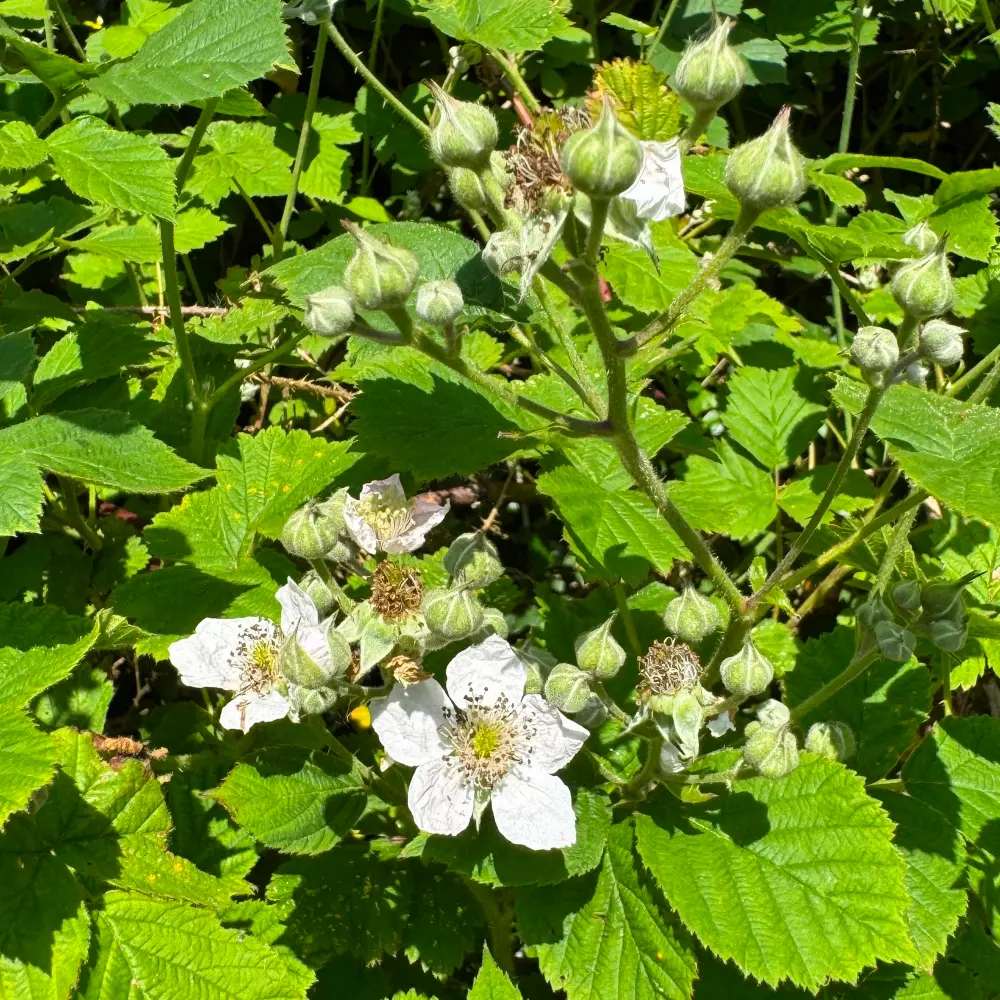
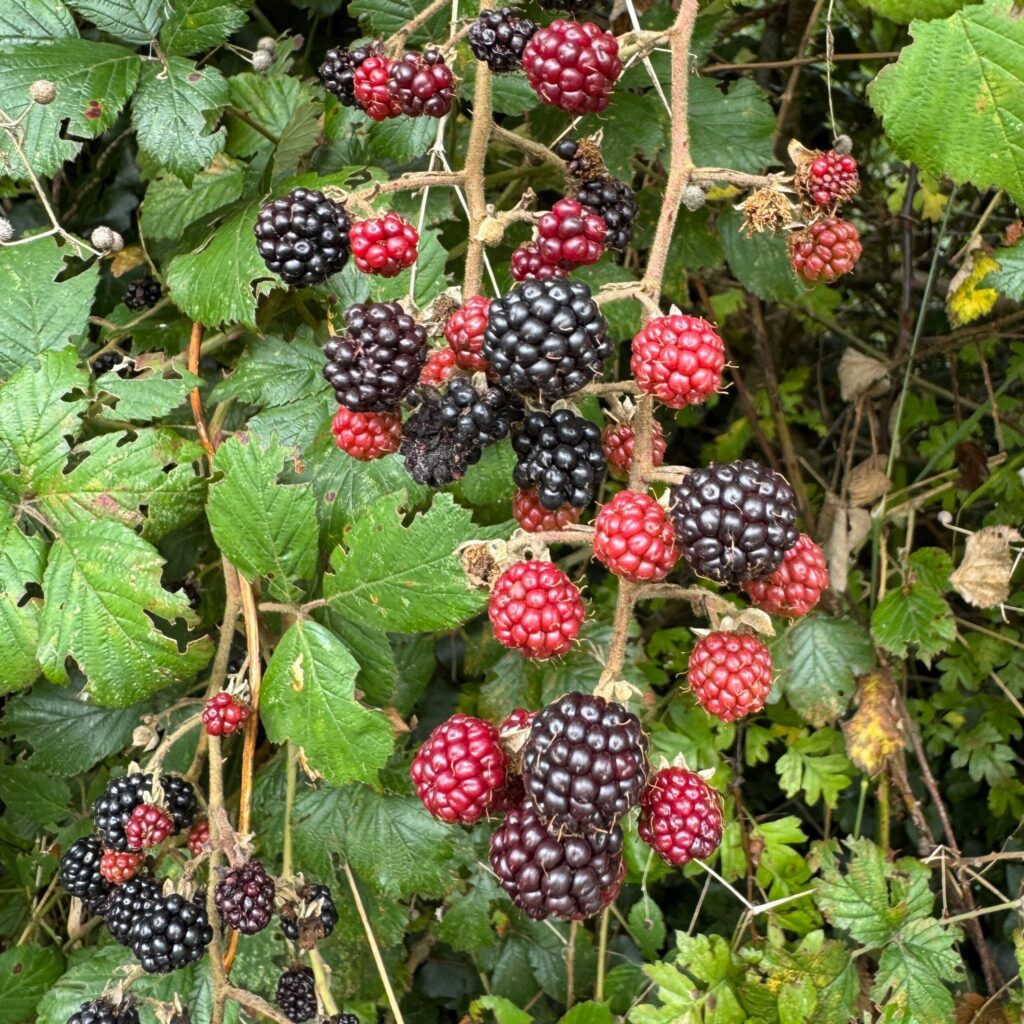
Bramble is one of the most abundant plants in our hedgerows. Although best known for its blackberries later in the summer, the young leaves and flowers can also be gathered.
The young leaves make an excellent herbal tea and can be dried for use throughout the year. The flowers are edible too, adding a delicate touch to salads and desserts.
PURPLE VETCH
Vicia sativa
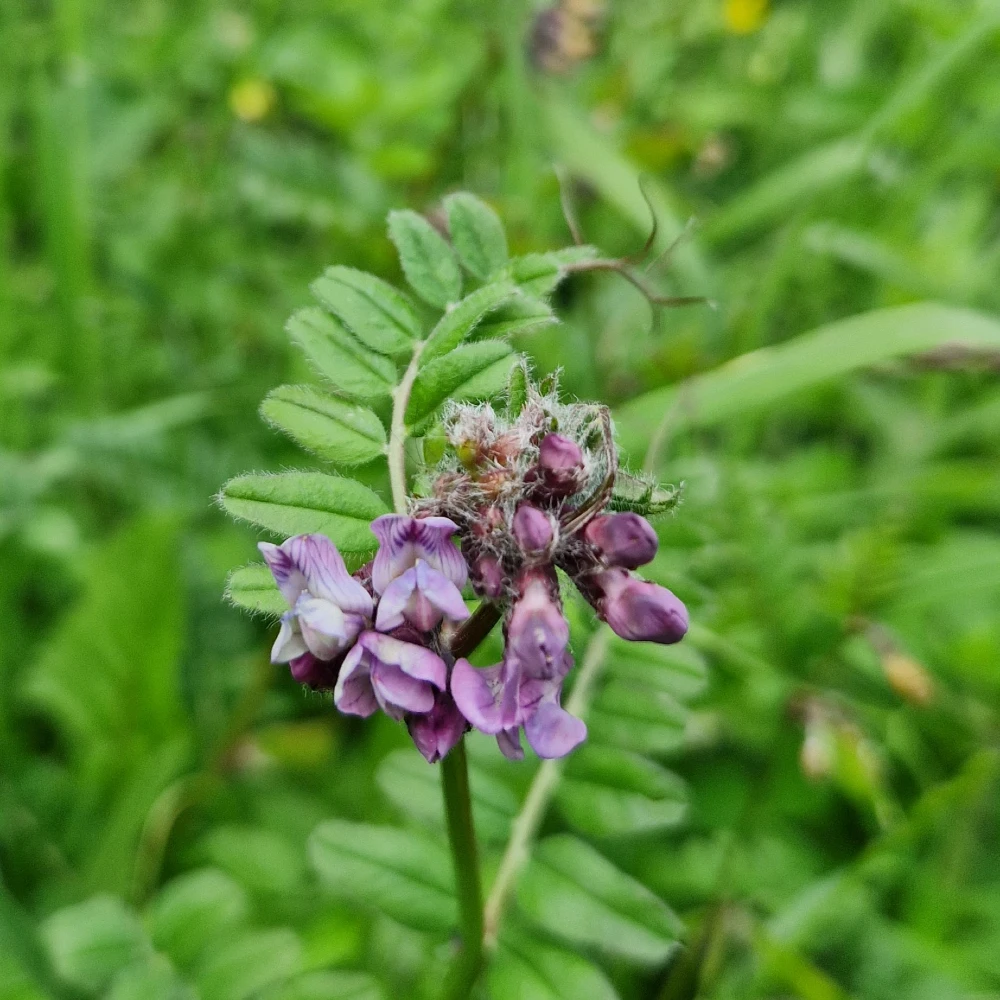
Purple vetch scrambles through meadows and hedgerows, producing elegant spikes of violet-blue flowers that are loved by bees.
The flowers and young tendrils can be used as an edible garnish, adding colour to salads and summer dishes. They taste like pea shoots. The seed pods are not edible and it is important to take care to correctly identify members of the pea family before using them.
IMPORTANT WARNING
This information is for educational purposes only and is not intended to replace the advice of a qualified nutritionist or health practitioner.
Never use any wild plant if you are pregnant, have a serious illness or medical condition or are on any medication, without first consulting your medical team.
It is the responsibility of the reader to ensure that any wild plants are 100% correctly identified. If in doubt never use any wild plant for food or medicine.
LEARN MORE
If you would like to learn more about safe and sustainable foraging, and using wild herbs for food and medicine, click on the links below to check out my in person foraging walks and workshops and my online courses.